
The Flourish Federation
Strategies for Supporting Your Child at Home
Supporting a child with Special Educational Needs and Disabilities (SEND) at home can feel overwhelming at times, but there are practical and meaningful ways that parents and families can help. Here are some key strategies that may be useful to support your SEND child at home:
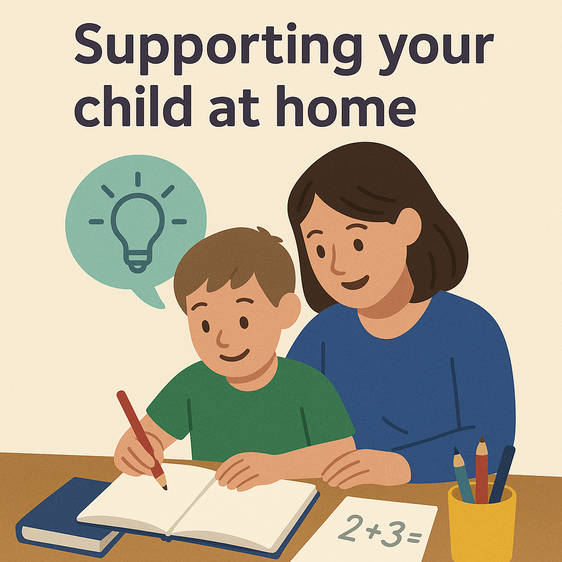
Create a Supportive Home Environment
- Establish Routines: SEND pupils thrive when they know what to expect. Create predictable routines to help your child feel secure and reduce anxiety. Visual time table can be a great way to support this and can be shared in daily discussion.
- Create a Calm Space: Access to a quiet, sensory-friendly area can help your child regulate emotions and focus.
Support Learning at Home
- Break Tasks Into Steps: Use small, manageable chunks with clear instructions. Celebrate each completed step.
- Use Visual Aids and Tools: Visuals, charts, symbols, and hands-on resources (like counters or storyboards) can make learning more accessible.
- Incorporate Interests: If your child loves dinosaurs, build reading, maths activities or home learning experiences around that theme to increase engagement.
Communication and Understanding
- Practice Patience and Positive Reinforcement: Make sure you praise the effort your child has put in to a task, not just outcomes of the task. This helps to build confidence and motivation.
- Use Clear and Simple Language: Think carefully about language you use - keep instructions concise and repeat them as needed without frustration. Sometimes when we say lots of words together it can become overwhelming to children and create confusion.
- Listen Actively: Tune into how your child is feeling — behaviour is often a child’s way of communication
Encourage Independence and Life Skills
- Let Them Make Choices: Offer limited options (e.g., “Do you want to do spelling or maths first?”) to help them feel in control.
- Teach Daily Skills: Teach real-world skills and build your child’s understanding of everyday tasks to help them feel confident in the world – this could include self-care, tidying up, or preparing snacks.
Work With the School
- Stay in Touch With Teachers and SENCO: Regular communication helps reinforce what’s happening at school and ensures consistency.
- Use Home-School Apps: Tools like ClassDojo or Reach More Parents can bridge communication and share achievements or concerns.
Look After Wellbeing
- Encourage Movement and Breaks: Many SEND children find taking short, active breaks can improve focus and reduce frustration – it is often better to approach longer tasks in smaller, planned chunks with opportunities for breaks.
- Talk About Emotions: Use emotion cards or simple questions like “What made you feel happy/sad today?” to build emotional literacy.
- Model Calmness: Your reactions guide theirs — staying calm helps them do the same.